

bookey
app storegoogle play
qr-code

Scan to Download

Home | Last Updated on2026/02/05

Understanding Power Free Audiobook Download

Noam Chomsky

Radical Insights into Power Dynamics and Social Change.

4.428532ratings(GoodReaders reference)

Information

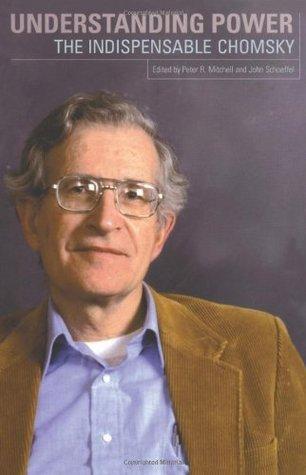
Understanding Power audiobook cover

Author: Noam Chomsky

Narrator: Brian

Format: MP3

ISBN: 9781565847033

Language: English

Publish Date: 06/01/2002

Audiobook length: 31min

Understanding Power Audiobook by Chapters

The audio file is large, please allow a moment for loading

Chapter 1: Weekend Teach-In: Opening Session
playpause
download
00:0099:15
ad
bookey

Download Bookey App to Enjoy Free 5000+ Audiobook

qr-code

Scan to Download

Chapter 2: Teach-In: Over Coffee
playpause
download
00:0093:18
Chapter 3: Teach-In: Evening
playpause
download
00:00102:21
Chapter 4: Colloquy
playpause
download
00:0096:10
Chapter 5: Ruling the World
playpause
download
00:00108:56
Chapter 6: Community Activists
playpause
download
00:00129:51
Chapter 7: Intellectuals and Social Change
playpause
download
00:00125:17
Chapter 8: Popular Struggle
playpause
download
00:00147:53
Chapter 9: Movement Organizing
playpause
download
00:00122:07
Chapter 10: Turning Point
playpause
download
00:00114:47

Who should listen Understanding Power

The summary audiobook of "Understanding Power" by Noam Chomsky is ideal for individuals seeking deeper insights into the mechanics of political power and societal control. It is particularly beneficial for students, activists, educators, and anyone interested in social justice, media critique, or political theory. Listeners who wish to challenge mainstream narratives and understand the underlying structures that shape public discourse will find Chomsky's perspectives enlightening and thought-provoking. Additionally, those looking to foster critical thinking about contemporary issues will greatly benefit from this concise exploration of his ideas.

3 quotes from Understanding Power

  • "The general population doesn’t know what’s happening, and it doesn’t even know that it doesn’t know."
  • "If you don’t believe the system is in your hands, it means you are conceding power to others."
  • "It’s important to understand that the sort of propaganda, the tremendous control of public opinion, is essential to keep the power structure going."

Author : Noam Chomsky

Avram Noam Chomsky is a prominent American professor, linguist, and public intellectual, renowned for his groundbreaking contributions to linguistics, political activism, and social criticism. Often referred to as the "father of modern linguistics," Chomsky has played a pivotal role in analytic philosophy and cognitive science. He serves as a laureate professor of linguistics at the University of Arizona and is an emeritus institute professor at the Massachusetts Institute of Technology (MIT), where he began teaching in 1955. Chomsky is the author of over 150 works addressing a variety of subjects including language, war, and politics. Since the 1960s, he has been a staunch critic of U.S. foreign policy, contemporary capitalism, and corporate power, gaining prominence for his anti-war essays and activism against the Vietnam War. He continues to engage actively in political discourse, advocating for social justice, and remains a leading voice in anti-capitalist and anti-imperialist movements. His ideas have significantly shaped modern thought on language, cognition, and political theory, and he holds a critical perspective on issues such as the Israeli-Palestinian conflict and media representation.

ad
bookey
Bookey App
5 stars21,717

Free 5000+ Audiobooks,

Book Lovers Must-Have App.

Home | Last Updated on2026/02/05

Understanding Power Free Audiobook Download

Noam Chomsky

Radical Insights into Power Dynamics and Social Change.

4.428532rating

Information

Author: Noam Chomsky

Narrator: Brian

Format: MP3

ISBN: 9781565847033

Language: English

Publish Date: 06/01/2002

AudioBook length: 31 min

Understanding Power audiobook cover
Loading audio chapters...

Who should listen Understanding Power

The summary audiobook of "Understanding Power" by Noam Chomsky is ideal for individuals seeking deeper insights into the mechanics of political power and societal control. It is particularly beneficial for students, activists, educators, and anyone interested in social justice, media critique, or political theory. Listeners who wish to challenge mainstream narratives and understand the underlying structures that shape public discourse will find Chomsky's perspectives enlightening and thought-provoking. Additionally, those looking to foster critical thinking about contemporary issues will greatly benefit from this concise exploration of his ideas.

3 quotes from Understanding Power

  • "The general population doesn’t know what’s happening, and it doesn’t even know that it doesn’t know."
  • "If you don’t believe the system is in your hands, it means you are conceding power to others."
  • "It’s important to understand that the sort of propaganda, the tremendous control of public opinion, is essential to keep the power structure going."

Author: Noam Chomsky

Avram Noam Chomsky is a prominent American professor, linguist, and public intellectual, renowned for his groundbreaking contributions to linguistics, political activism, and social criticism. Often referred to as the "father of modern linguistics," Chomsky has played a pivotal role in analytic philosophy and cognitive science. He serves as a laureate professor of linguistics at the University of Arizona and is an emeritus institute professor at the Massachusetts Institute of Technology (MIT), where he began teaching in 1955. Chomsky is the author of over 150 works addressing a variety of subjects including language, war, and politics. Since the 1960s, he has been a staunch critic of U.S. foreign policy, contemporary capitalism, and corporate power, gaining prominence for his anti-war essays and activism against the Vietnam War. He continues to engage actively in political discourse, advocating for social justice, and remains a leading voice in anti-capitalist and anti-imperialist movements. His ideas have significantly shaped modern thought on language, cognition, and political theory, and he holds a critical perspective on issues such as the Israeli-Palestinian conflict and media representation.