

bookey
app storegoogle play
qr-code

Scan to Download

Home | Last Updated on2026/02/10

Poetics Free Audiobook Download

Aristotle

Exploring Tragedy: The Art of Plot, Character, and Emotion

3.8324506ratings(GoodReaders reference)

Information

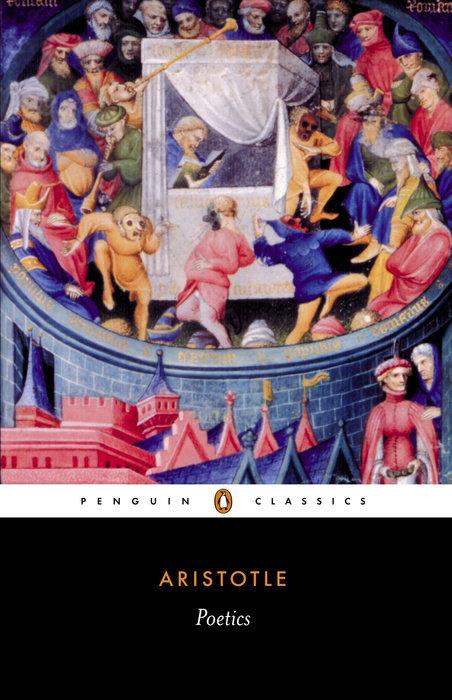
Poetics audiobook cover

Author: Aristotle

Narrator: Brian

Format: MP3

ISBN: 9780140446364

Language: English

Publish Date: 05/14/1968

Audiobook length: 31min

Poetics Audiobook by Chapters

The audio file is large, please allow a moment for loading

Chapter 1:
playpause
download
00:0011:11
ad
bookey

Download Bookey App to Enjoy Free 5000+ Audiobook

qr-code

Scan to Download

Chapter 2:
playpause
download
00:0016:05
Chapter 3:
playpause
download
00:0013:11
Chapter 4:
playpause
download
00:0014:38
Chapter 5:
playpause
download
00:0028:18

Who should listen Poetics

The summary audiobook of "Poetics" by Aristotle is ideal for students, educators, and literature enthusiasts seeking a concise understanding of foundational concepts in literary theory and dramatic art. It caters to those who may not have the time to read the full text but want to grasp Aristotle's insights on tragedy, comedy, and the principles of effective storytelling. This audiobook is also beneficial for writers and filmmakers looking to enhance their craft by exploring timeless ideas about narrative structure and the emotional impact of art.

3 quotes from Poetics

  • "The fate of the play depends more on its structure than on its content."
  • "Tragedy is an imitation of an action that is serious, complete, and of a certain magnitude; it seeks to arouse pity and fear, and thereby to accomplish its catharsis of such emotions."
  • "The pleasure of tragedy is not only that it is beautiful; it offers knowledge of life and teaches us about the universality of human experience."

Author : Aristotle

Aristotle, a towering figure in ancient Greek philosophy, was born in 384 BCE in Stagira, a small town in Northern Greece. A student of Plato, he studied at the Academy in Athens for nearly two decades before eventually founding his own school, the Lyceum. Renowned for his empirical approach and extensive contributions to diverse fields including metaphysics, biology, ethics, politics, and rhetoric, Aristotle laid the groundwork for much of Western philosophy and scientific thought. His works, characterized by systematic analysis and logical reasoning, explore the fundamental principles governing knowledge, existence, and the arts. In "Poetics," Aristotle examines the nature of dramatic art, providing a foundational text for literary theory and criticism that continues to influence the study of literature and storytelling today.

ad
bookey
Bookey App
5 stars21,717

Free 5000+ Audiobooks,

Book Lovers Must-Have App.

Home | Last Updated on2026/02/10

Poetics Free Audiobook Download

Aristotle

Exploring Tragedy: The Art of Plot, Character, and Emotion

3.8324506rating

Information

Author: Aristotle

Narrator: Brian

Format: MP3

ISBN: 9780140446364

Language: English

Publish Date: 05/14/1968

AudioBook length: 31 min

Poetics audiobook cover
Loading audio chapters...

Who should listen Poetics

The summary audiobook of "Poetics" by Aristotle is ideal for students, educators, and literature enthusiasts seeking a concise understanding of foundational concepts in literary theory and dramatic art. It caters to those who may not have the time to read the full text but want to grasp Aristotle's insights on tragedy, comedy, and the principles of effective storytelling. This audiobook is also beneficial for writers and filmmakers looking to enhance their craft by exploring timeless ideas about narrative structure and the emotional impact of art.

3 quotes from Poetics

  • "The fate of the play depends more on its structure than on its content."
  • "Tragedy is an imitation of an action that is serious, complete, and of a certain magnitude; it seeks to arouse pity and fear, and thereby to accomplish its catharsis of such emotions."
  • "The pleasure of tragedy is not only that it is beautiful; it offers knowledge of life and teaches us about the universality of human experience."

Author: Aristotle

Aristotle, a towering figure in ancient Greek philosophy, was born in 384 BCE in Stagira, a small town in Northern Greece. A student of Plato, he studied at the Academy in Athens for nearly two decades before eventually founding his own school, the Lyceum. Renowned for his empirical approach and extensive contributions to diverse fields including metaphysics, biology, ethics, politics, and rhetoric, Aristotle laid the groundwork for much of Western philosophy and scientific thought. His works, characterized by systematic analysis and logical reasoning, explore the fundamental principles governing knowledge, existence, and the arts. In "Poetics," Aristotle examines the nature of dramatic art, providing a foundational text for literary theory and criticism that continues to influence the study of literature and storytelling today.