

bookey
app storegoogle play
qr-code

Scan to Download

Home | Last Updated on2026/02/10

Euthyphro Free Audiobook Download

Plato

Exploring the Nature of Piety and Divine Approval in Socratic Thought.

3.948677ratings(GoodReaders reference)

Information

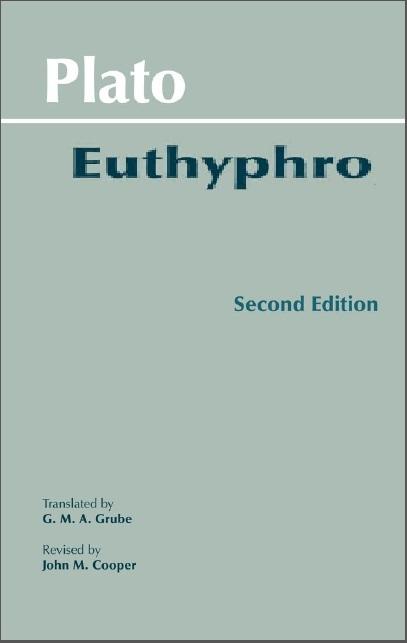
Euthyphro audiobook cover

Author: Plato

Narrator: Brian

Format: MP3

ISBN: -

Language: English

Publish Date: 06/06/1968

Audiobook length: 31min

Euthyphro Audiobook by Chapters

The audio file is large, please allow a moment for loading

Chapter 1: Euthyphro
playpause
download
00:0050:13
ad
bookey

Download Bookey App to Enjoy Free 5000+ Audiobook

qr-code

Scan to Download

Chapter 2: Defence of Socrates
playpause
download
00:0083:21
Chapter 3: Crito
playpause
download
00:0040:39

Who should listen Euthyphro

The summary audiobook of "Euthyphro" by Plato is ideal for philosophy enthusiasts, students, and anyone interested in exploring fundamental questions about ethics and piety. Those preparing for discussions or coursework in philosophy will benefit from its concise analysis of Socratic dialogue, while casual listeners seeking to understand the nature of moral definitions and the relationship between divinity and morality will find valuable insights in its thought-provoking themes. This accessible format is perfect for individuals looking to engage with classical philosophical ideas without delving into the full text.

3 quotes from Euthyphro

  • "Is the pious pious because it is loved by the gods, or is it loved by the gods because it is pious?"
  • "Virtue is not a gift from the gods, but something we must strive to understand and embody in our lives."
  • "To be good is to be pious, and to be pious is to know what is truly good according to reason and not mere opinion."

Author : Plato

Plato (c. 427 – 348 BC), originally named Aristocles, was a pivotal figure in ancient Greek philosophy and a key contributor to Western thought during the Classical period. Renowned for his innovative use of dialogue and dialectic methods, he explored fundamental questions across various philosophical domains, both theoretical and practical. As the founder of the Platonic Academy in Athens, he taught ideas that gave rise to the philosophical system known as Platonism, most notably his theory of forms, which addresses the complexities of universals. Influenced by pre-Socratic thinkers such as Pythagoras, Heraclitus, and Parmenides, much of what we know about them comes from his writings. Alongside his teacher Socrates and his student Aristotle, Plato remains a central figure in the history of philosophy, with his works enduring for over 2,400 years. His influence extends beyond philosophy into the realms of Christian and Islamic thought through Neoplatonism, and his legacy is encapsulated in Alfred North Whitehead's observation that the European philosophical tradition is largely a series of reflections on his ideas.

ad
bookey
Bookey App
5 stars21,717

Free 5000+ Audiobooks,

Book Lovers Must-Have App.

Home | Last Updated on2026/02/10

Euthyphro Free Audiobook Download

Plato

Exploring the Nature of Piety and Divine Approval in Socratic Thought.

3.948677rating

Information

Author: Plato

Narrator: Brian

Format: MP3

ISBN:

Language: English

Publish Date: 06/06/1968

AudioBook length: 31 min

Euthyphro audiobook cover
Loading audio chapters...

Who should listen Euthyphro

The summary audiobook of "Euthyphro" by Plato is ideal for philosophy enthusiasts, students, and anyone interested in exploring fundamental questions about ethics and piety. Those preparing for discussions or coursework in philosophy will benefit from its concise analysis of Socratic dialogue, while casual listeners seeking to understand the nature of moral definitions and the relationship between divinity and morality will find valuable insights in its thought-provoking themes. This accessible format is perfect for individuals looking to engage with classical philosophical ideas without delving into the full text.

3 quotes from Euthyphro

  • "Is the pious pious because it is loved by the gods, or is it loved by the gods because it is pious?"
  • "Virtue is not a gift from the gods, but something we must strive to understand and embody in our lives."
  • "To be good is to be pious, and to be pious is to know what is truly good according to reason and not mere opinion."

Author: Plato

Plato (c. 427 – 348 BC), originally named Aristocles, was a pivotal figure in ancient Greek philosophy and a key contributor to Western thought during the Classical period. Renowned for his innovative use of dialogue and dialectic methods, he explored fundamental questions across various philosophical domains, both theoretical and practical. As the founder of the Platonic Academy in Athens, he taught ideas that gave rise to the philosophical system known as Platonism, most notably his theory of forms, which addresses the complexities of universals. Influenced by pre-Socratic thinkers such as Pythagoras, Heraclitus, and Parmenides, much of what we know about them comes from his writings. Alongside his teacher Socrates and his student Aristotle, Plato remains a central figure in the history of philosophy, with his works enduring for over 2,400 years. His influence extends beyond philosophy into the realms of Christian and Islamic thought through Neoplatonism, and his legacy is encapsulated in Alfred North Whitehead's observation that the European philosophical tradition is largely a series of reflections on his ideas.